

How we work
How a shipment runs
Every transaction passes through the same six stages. Setting them out means you know what to expect from us, and what we will need from you, at each point.
Stage 1
Enquiry & specification
You send the product, tonnage, delivery port, packaging and timing. We come back on whether that specification is workable at that volume, on that schedule — before anything else happens.
Stage 2
Written offer
Price, Incoterm, packaging, loading window and a validity period, set out in a corporate offer. Nothing important is agreed verbally.
Stage 3
Counterparty checks
Both sides verify identity, signing authority and trade registry records, and run sanctions and compliance screening. It goes in both directions, and we expect you to check us too.
Stage 4
Contract
Quality criteria and tolerance ranges, payment terms, laytime, delay provisions and force majeure fixed in one signed document. Ambiguity here is what becomes a dispute later.
Stage 5
Inspection & loading
An independent inspection company samples and analyses the cargo and attends loading. Cargo outside the agreed specification is not loaded.
Stage 6
Documents & delivery
Bill of lading, certificate of origin, certificate of analysis, phytosanitary certificate and insurance documents, prepared to your bank's presentation requirements.
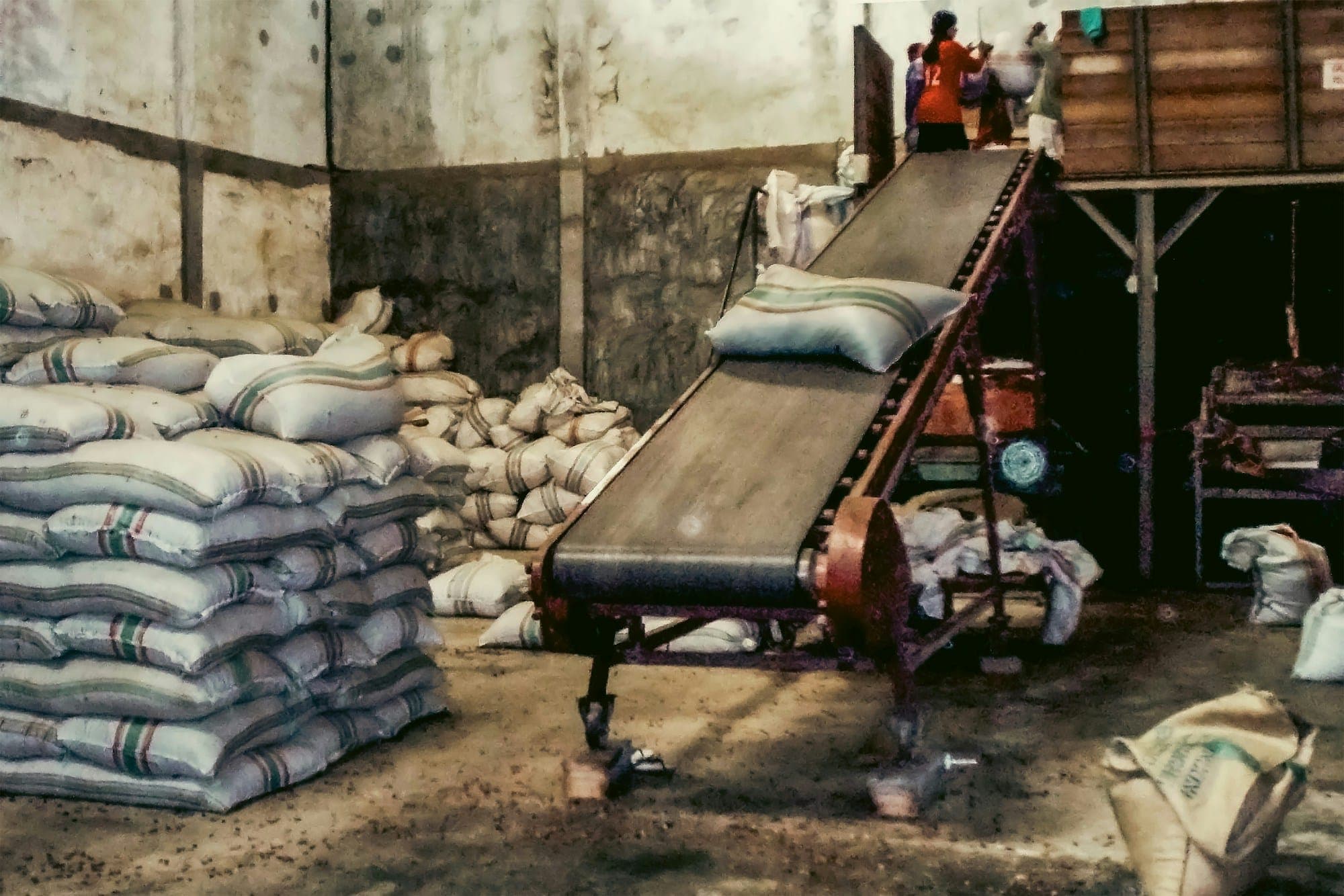
The paperwork is the trade
The paperwork is the trade
A commodity contract depends on its document set. These normally travel with a shipment. The exact list depends on your destination's import rules and your bank's presentation terms.
- Bill of Lading
- Title to the cargo and evidence of shipment, issued by the carrier once loading is complete.
- Certificate of Origin
- Country of production, attested by a chamber of commerce. Determines duty treatment at import.
- Certificate of Analysis
- The laboratory result against the contracted specification, issued by the inspection company.
- Phytosanitary Certificate
- Issued by the plant protection authority at origin for agricultural cargo. Most destinations will not clear without it.
- Weight & Quality Certificate
- Independent determination of what was actually loaded, by draft survey or weighbridge.
- Insurance Certificate
- Marine cargo cover for the voyage, required under CIF terms.
- Packing List
- Marks, numbers, packaging and net and gross weights, lot by lot.
- Commercial Invoice
- The priced contract of sale, matched to the credit terms.
Tell us what you need moved
Product, tonnage, delivery port and timing is enough to start. We come back with a written offer.